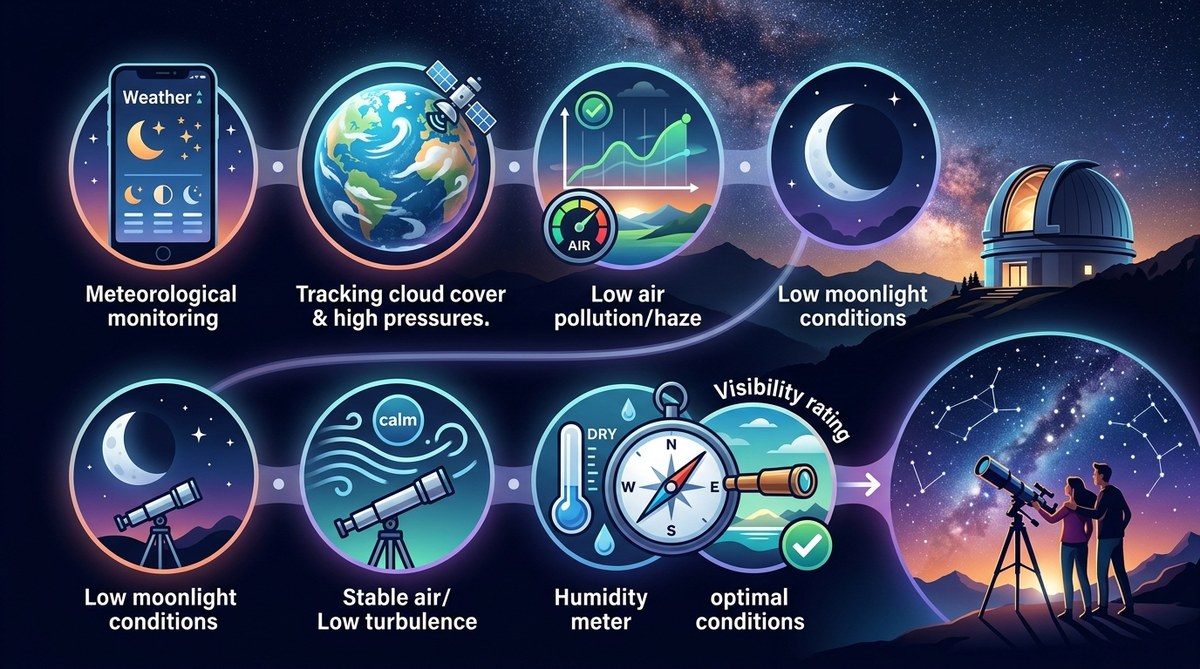
You pull your telescope out of the garage, set it up in the backyard, and wait for darkness. An hour later, the clouds roll in. That familiar sinking feeling hits. You packed up gear, drove to a dark …
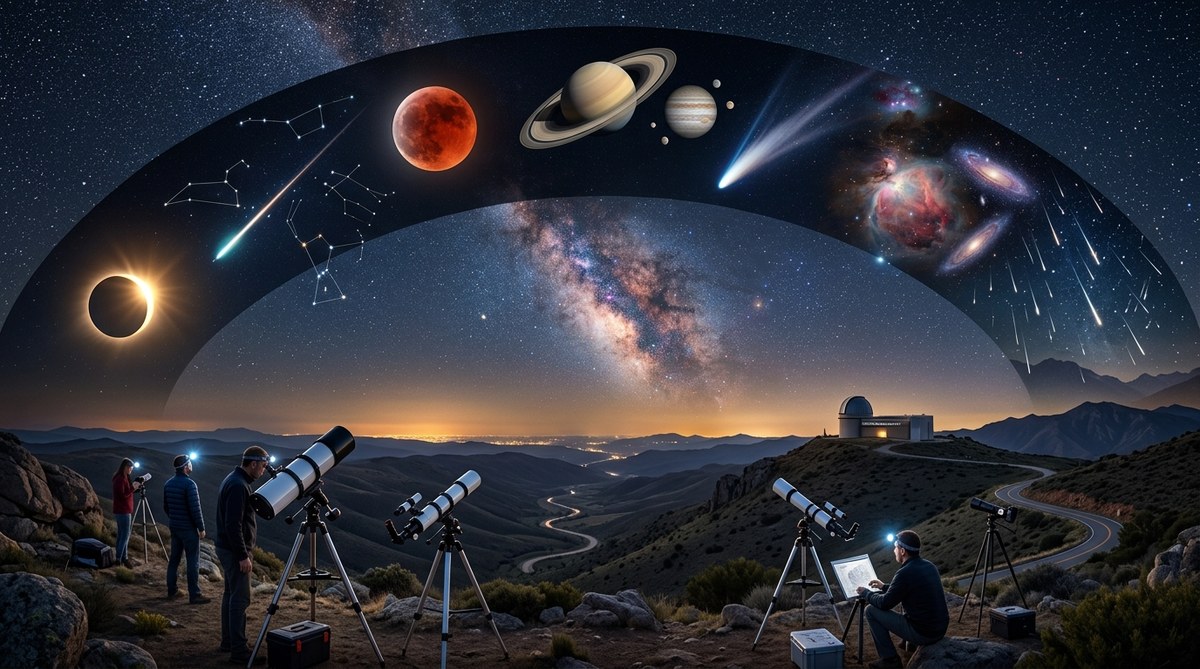
7 Cosmic Calendar Events You Can’t Miss in 2026
The night sky in 2026 is putting on a show that casual stargazers and seasoned astronomy enthusiasts will remember for years. From a total solar eclipse that will plunge parts of Europe into daytime d…
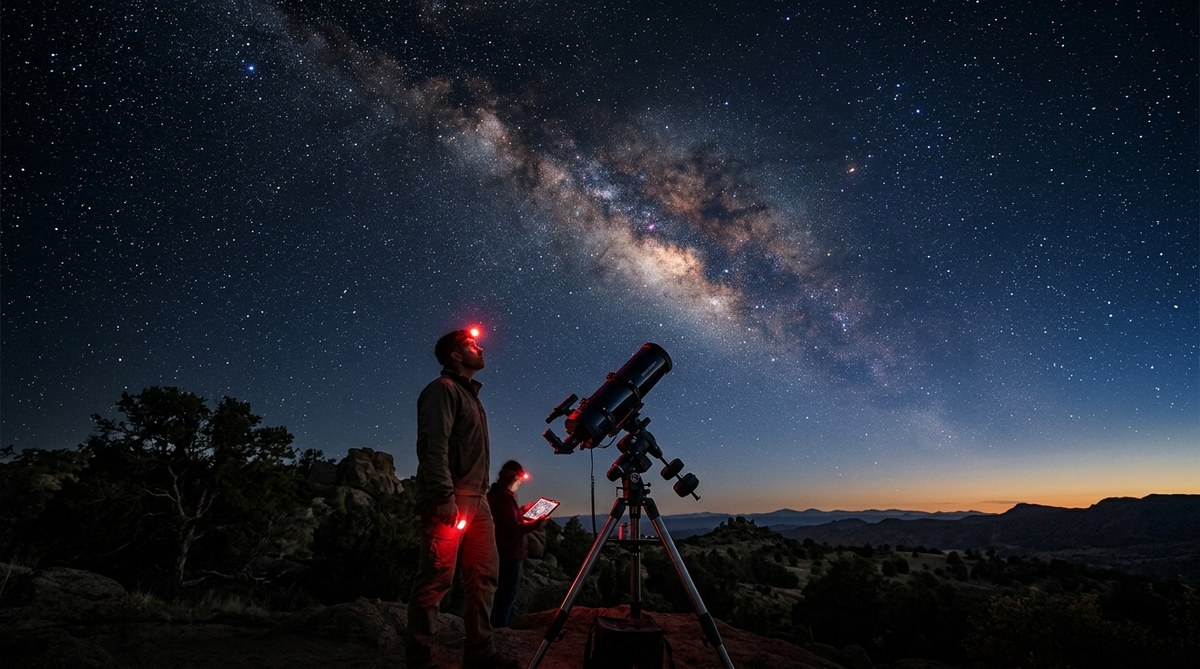
Why the Sky Gets Darker After Midnight and What That Means for Your Stargazing
You have probably noticed it yourself. You step outside at 9 PM and the sky is a soft gray blue. The Moon might be up, or there is a faint glow near the horizon from a nearby town. You look up again a…
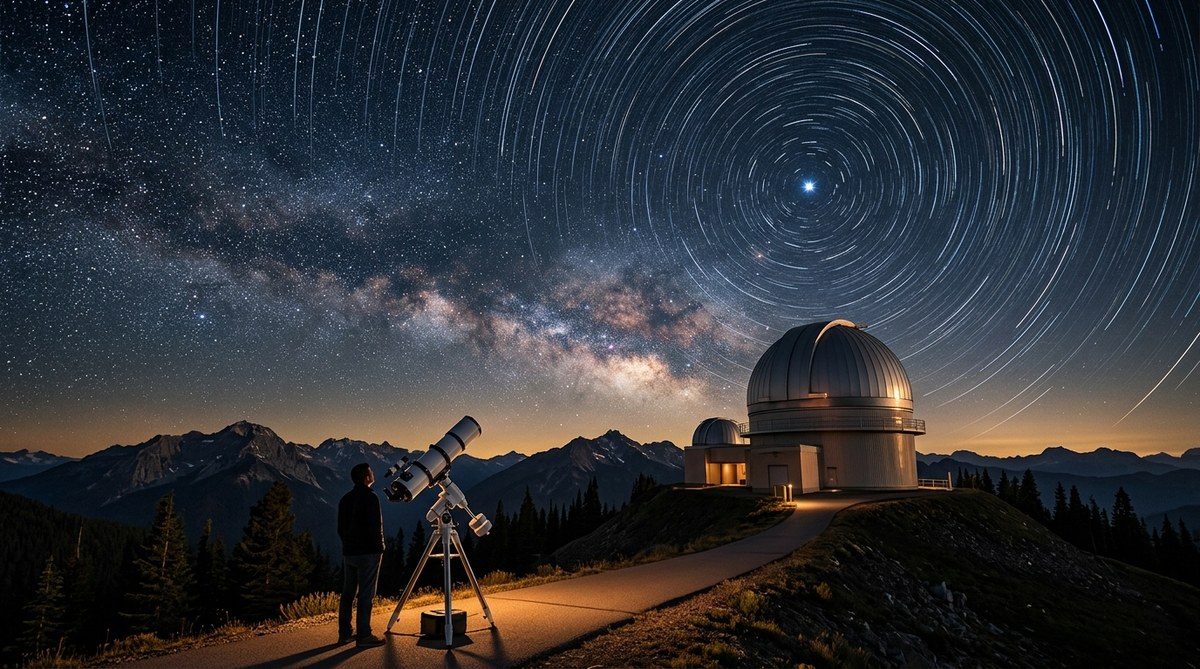
Why the Stars Seem to Move: Understanding Celestial Motion for Beginners
Look up on any clear night, and you will notice something right away. The stars are not frozen in place. Over the course of an hour, they shift. By morning, the entire scene has changed. This motion i…
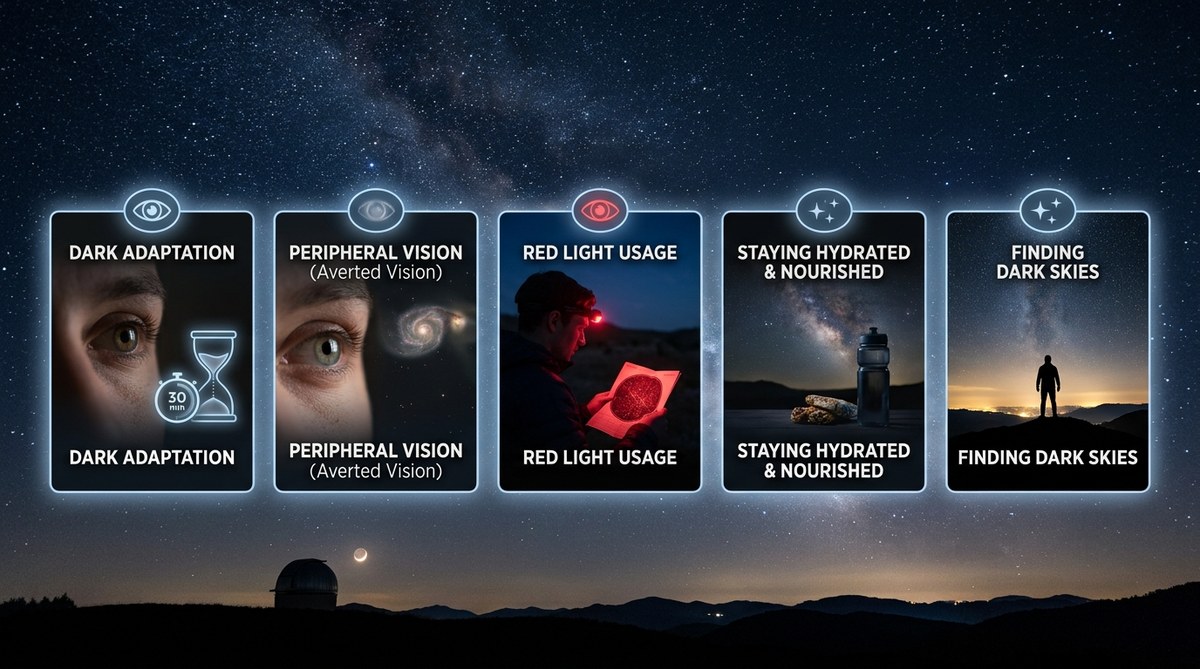
5 Simple Ways to Train Your Eyes for Better Night Sky Observation
Most people assume that seeing more stars requires a bigger telescope or darker skies. That is only half the story. The other half lives inside your own eyes. Your vision adapts to darkness in ways th…
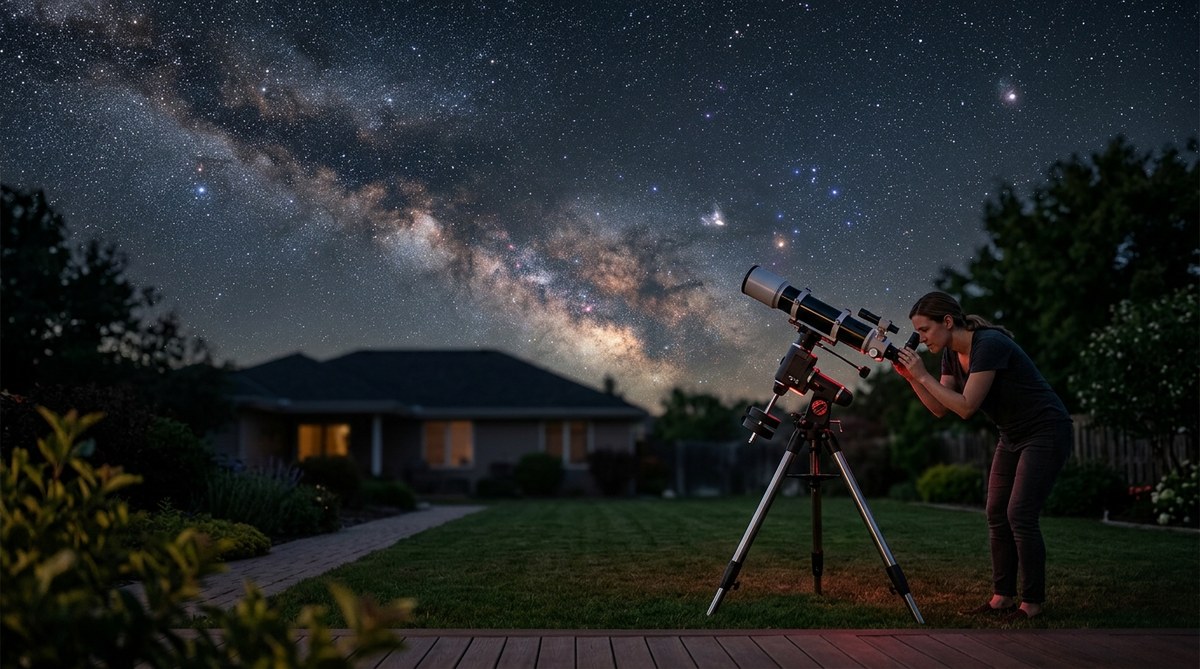
What Your Backyard Sky Reveals About the Universe Tonight
Step outside after sunset tonight and look up. The sky above your backyard is a live map of our solar system and the galaxy beyond. You do not need a degree in astrophysics or a thousand dollar telesc…
How to Measure the Night Sky with Just Your Hands
You step outside on a clear night in 2026. The stars are out. Someone points and says, “Look, that bright star is right next to the Moon.” But how far is “right next to”? You want to describe what you…
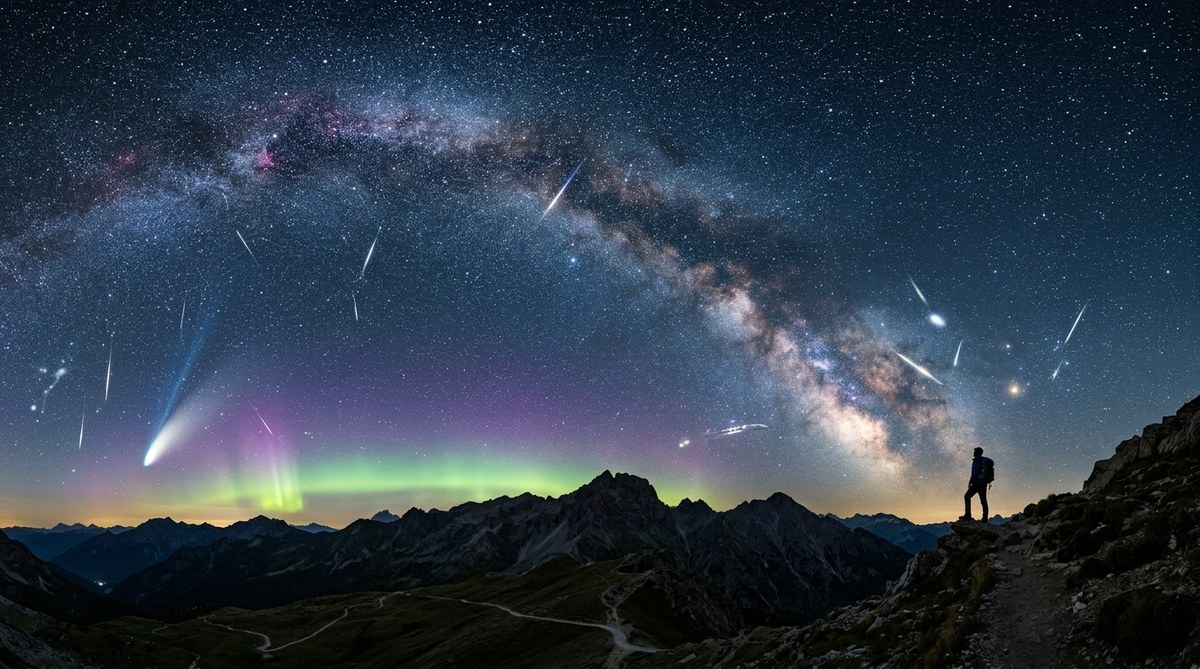
10 Night Sky Phenomena You Can See Without a Telescope in 2026
The year 2026 has a packed calendar of celestial events that you can enjoy without any special gear. No telescope. No binoculars. Just your eyes, a clear sky, and a little planning. Whether you live i…
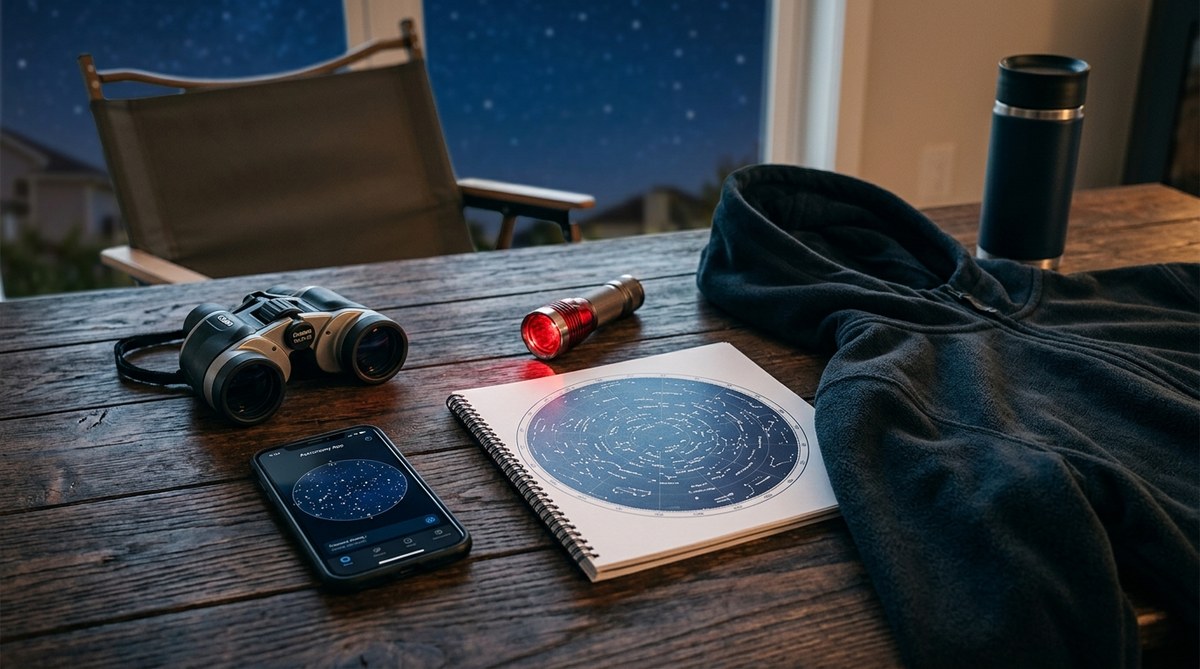
7 Essential Skywatching Tools You Already Have at Home
You do not need a fancy telescope to enjoy the night sky. In fact, some of the most useful skywatching tools are already sitting in your kitchen drawer, your coat closet, or your phone case. Parents l…
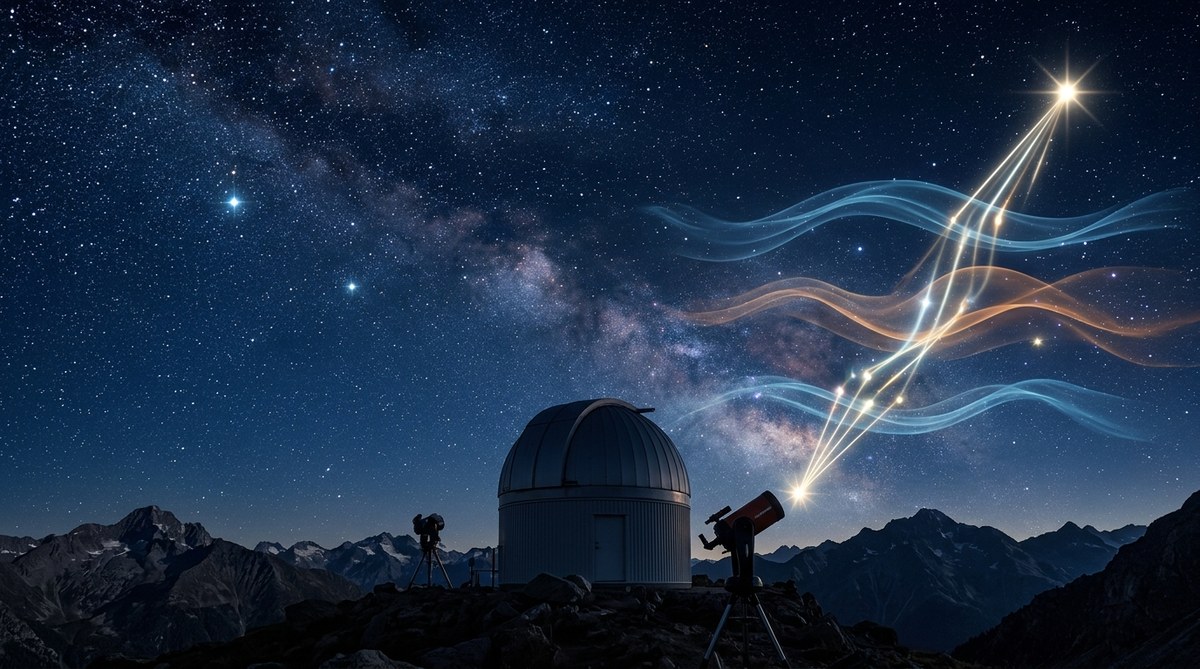
Why Do Stars Twinkle? The Science of Scintillation Explained
Have you ever looked up at a starry night sky and noticed how some points of light seem to pulse and shimmer while others stay steady? It is one of the most common questions in astronomy. The answer i…